Case Study
Nigeria – Empowering Women Through MSME Policy, Finance, and Digital Trade
Context
The Nigeria interventions focused on strengthening MSME policy implementation, improving women’s access to finance, and enabling participation in digital trade. One intervention developed a coordination mechanism and M&E system for the National MSME Policy, another supported SMEDAN in designing gender-responsive financial solutions, and the third worked with WCCIMA to equip women entrepreneurs for e-commerce and digital market opportunities.
How we did it
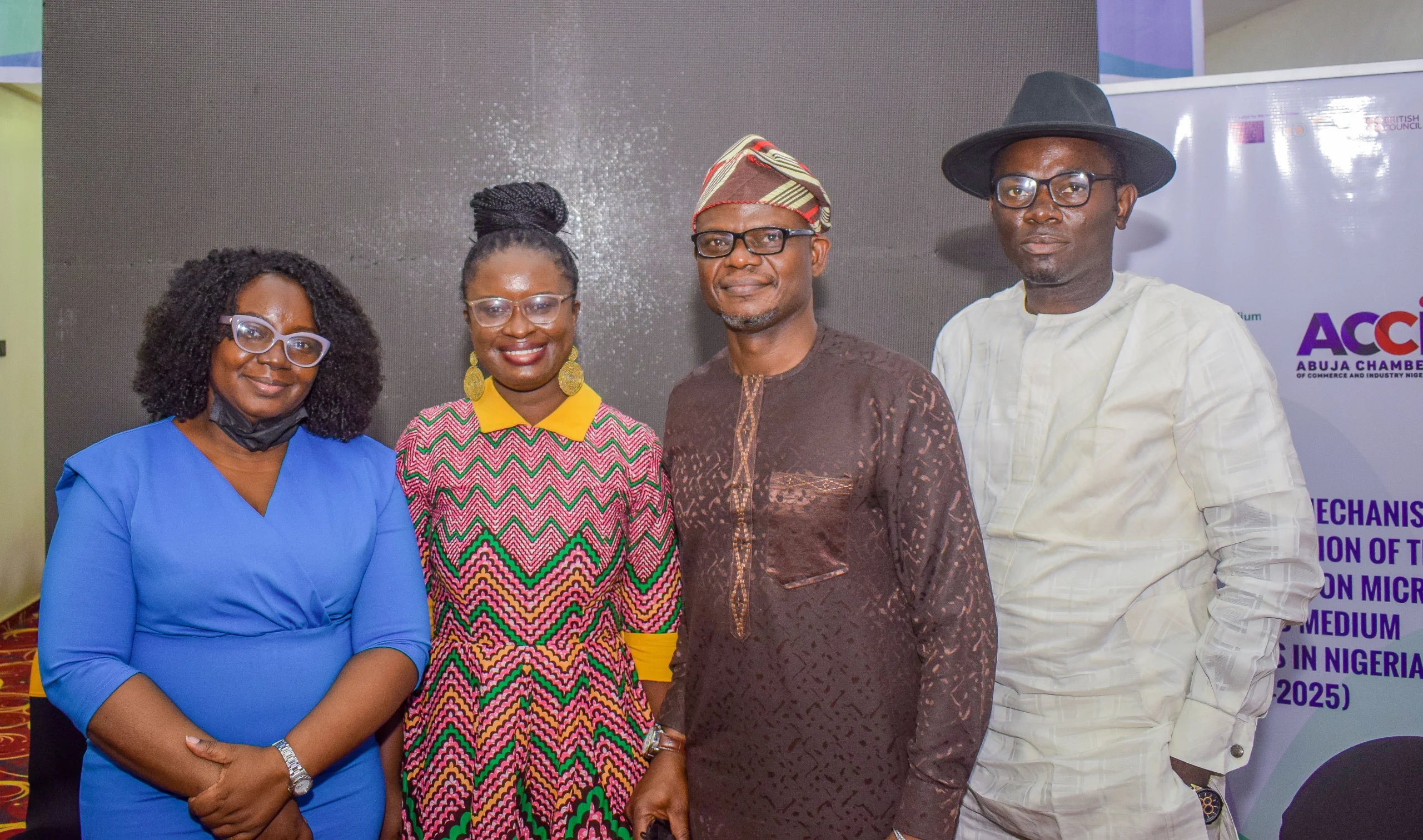
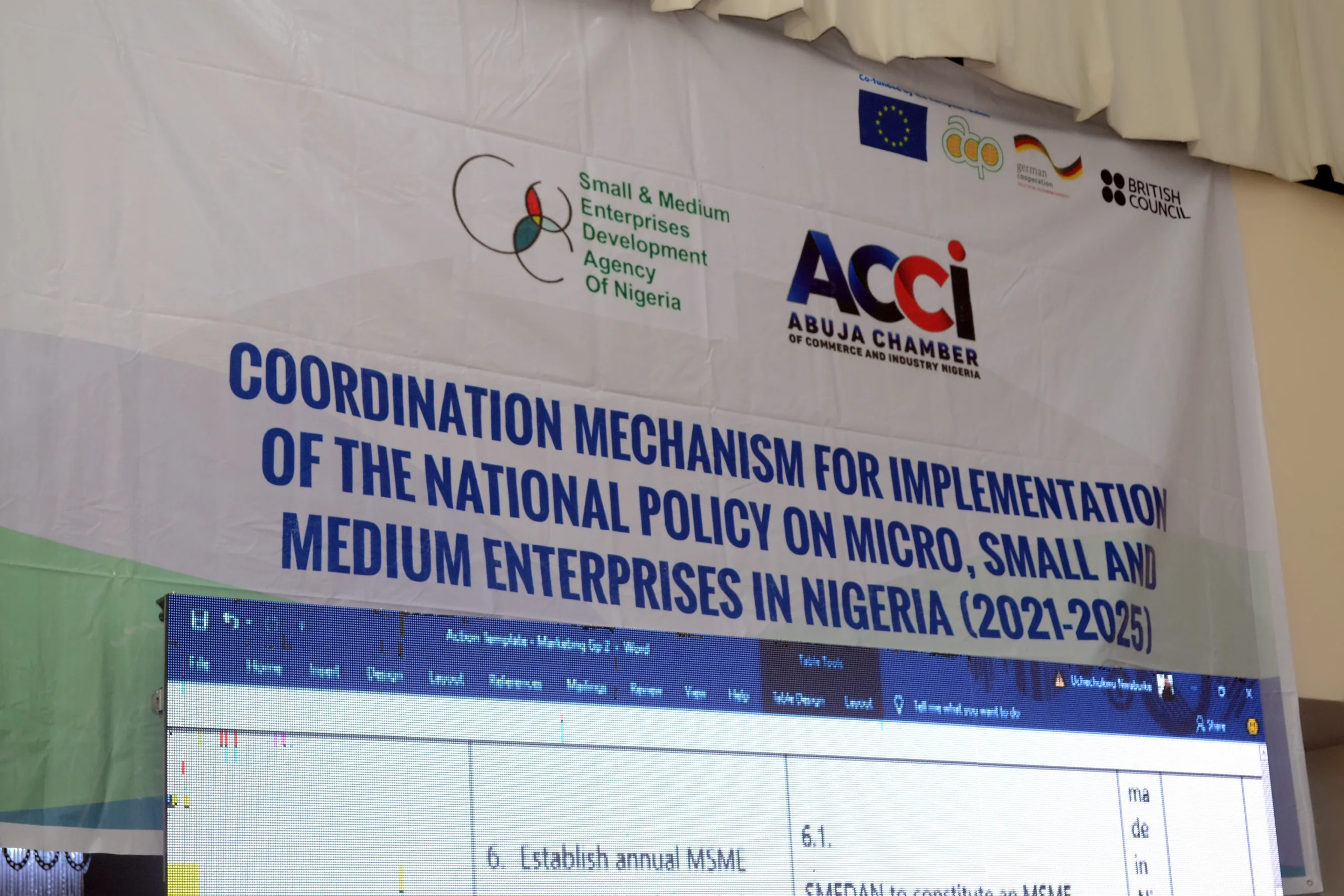
- Conducted 16 Public-Private Dialogue sessions with SMEDAN and the Abuja Chamber of Commerce and Industry to strengthen coordination and monitoring of Nigeria’s revised MSME Policy (2021–2025).
- Used stakeholder input to develop a long-term coordination mechanism and enhanced M&E system for MSME policy implementation.
- Delivered capacity-building training for SMEDAN staff to improve oversight of policy implementation.
- Conducted a technical study to identify barriers to finance for women-owned businesses, leading to the development of a Gender Finance Checklist, validated case studies, position papers, and a Next Step Guide.
- Convened a national dialogue to validate findings from the finance study and secured stakeholder commitments to adopt inclusive finance practices.
- Partnered with WCCIMA to accelerate digital trade for women through a landscape analysis, strategic roadmap, and tailored capacity-building, including Training of Trainers programmes.
- Trained 41 facilitators and developed programme guides based on target personas to support women entrepreneurs.
Outcomes
- SMEDAN inaugurated the National Council on SME—the highest decision-making body for MSME policy—organised a National MSME Conference and established a Women’s and Youth’s Desk to support engagement, market access, and training in export, procurement, and business skills.
- The national dialogue led to the launch of the Gender-Inclusive Access to Finance Checklist, with stakeholders committing to adopt it and implement key recommendations. Mechanisms for tracking progress and accountability were established—marking a significant step toward a more inclusive financial ecosystem.
- WCCIMA strengthened its capacity to influence the business environment and advocate for digital inclusion, supported by a trained pool of facilitators and targeted programme design.