Development isn’t a line—it’s a cycle. If you aren’t fixing the foundation, the roof will always cave in.
This is the “Virtuous Cycle” we’ve built. It’s not a theory from a textbook, it’s what we see in the Ashanti region every single day
1. Foundation: Traditional & Social Governance
We engage Traditional Councils and chiefs to secure the social license to operate. With their blessing, we build ownership and ensure long-term sustainability.
2. Catalyst: Tech & Infrastructure
We install solar systems, water pumps, digital labs and other essential infrastructure to solve immediate challenges and improve daily life.
3. Action: Integrated Livelihoods
Farmers plan and grow better. Women save time, create value-added products and livelihoods improve through skills, enterprise and innovation.
4. Outcome: Resilient Communities
People earn, families thrive, health improves and communities are stronger—reducing the pull of harmful activities like galamsey.
5. Impact: Global Alignment
Our work advances the UN SDGs and Agenda 2063, proving that real change starts in communities and influences the world.
ACCOUNTABILITY: OUR SHIELD AGAINST FAILURE
Transparency in development isn’t just about showing receipts. It’s about showing that you understand the responsibility you’ve been given.
We are accountable to international funders, but most importantly, we are accountable to the elders and chiefs who give us access to their lands.
OUR FINANCIAL DISCIPLINE
We don’t operate on “trust me” terms. We use ICT4D dashboards to feed real-time data back to our partners.
If a solar water pump isn’t delivering the expected volume of water, our donors see it before we do.
We invite independent auditors annually because we want to know where we can do better.
We have zero tolerance for corruption.
If an organization wants to work with us, they need to know that every cedi is accounted for.
CULTURAL ACCOUNTABILITY
This is the part most international NGOs ignore.
We have a “Cultural Impact Assessment” for every project.
Before we break ground, we ask:
- Does this respect ancestral heritage sites?
- Does this align with governance structures of the Traditional Council?
We aren’t just here to execute a plan; we support a community’s long-term aspirations.
If a project is good for the budget but bad for community cohesion, we don’t do it.
VOICES FROM THE BRIDGE: INSIGHTS FROM THE FIELD
I’ve spent years walking between the Traditional Palace and the UN headquarters in Geneva, and I’ve learned that the people in the palace and the people at the UN are talking about the same problems but speaking completely different languages.
My job—and the job of my team—is to translate.
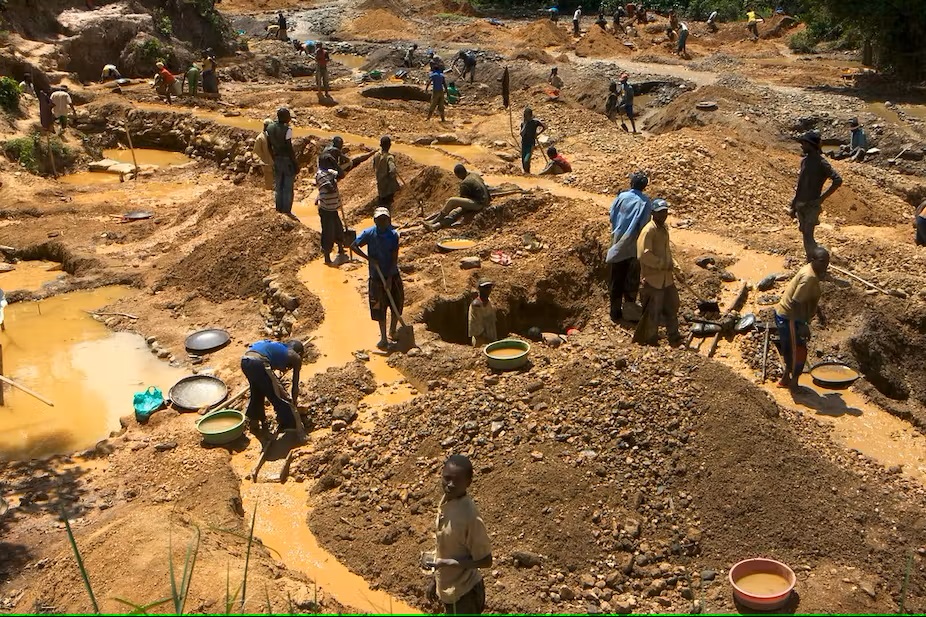
1. The “Galamsey” Paradox: Why Lighting is a Defense Strategy
We tend to treat illegal mining like a crime that needs to be policed. It’s not.
It’s a development vacuum.
When villages lack lighting and irrigation, quick cash from mining becomes attractive.
Solar lighting and irrigation pumps become defense measures against environmental destruction.
You can’t police your way out of poverty—you have to build your way out.
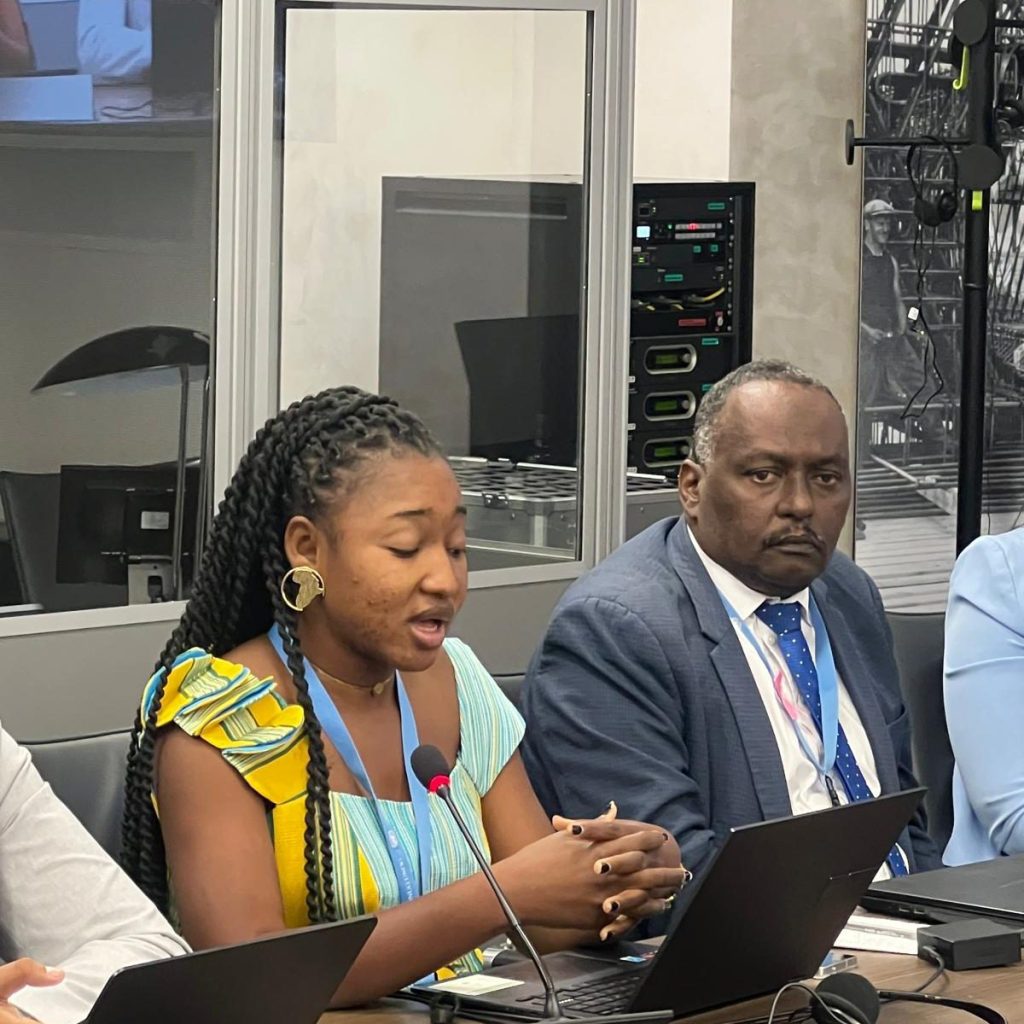
2. Walking Between Two Worlds
When I’m in Geneva, they ask how we “scale” interventions.
I tell local chiefs: you cannot scale an intervention that hasn’t been rooted in the community.
The Traditional Council isn’t a stakeholder to manage—it’s a sophisticated monitoring and evaluation structure.
If you aren’t working through local governance structures, you’re creating temporary fixes.
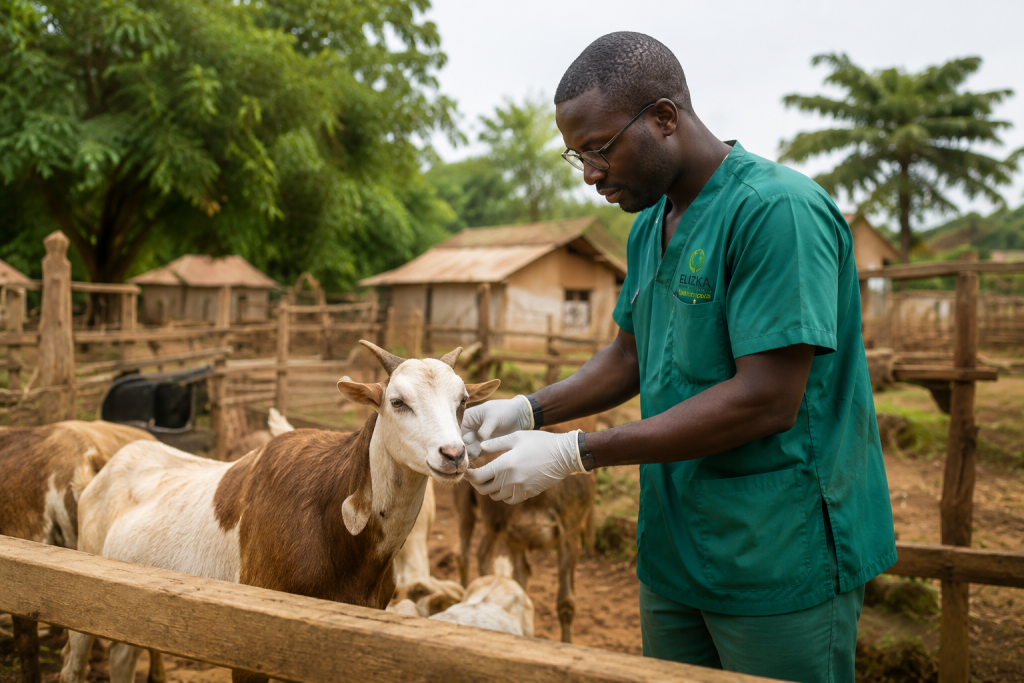
3. Why “One Health” is Rural Ghana’s Best Export
People think of health as doctors and hospitals.
Monitoring livestock health in Ghana acts as a global sentinel.
The next major pathogen may emerge where human, animal, and environmental health intersect.
By strengthening veterinary systems and protecting water resources, we strengthen global security.